Kingston Bridge house removals guide for narrow access streets
Posted on 29/04/2026
Kingston Bridge House Removals Guide for Narrow Access Streets
If you are planning a move around Kingston Bridge, you probably already know the tricky bit is not the packing. It is getting a sofa, bed frame, or removal van through a street that feels a little too tight for comfort. That is exactly why this Kingston Bridge house removals guide for narrow access streets matters. Narrow roads, parked cars, awkward turning points, short driveways, and busy local traffic can turn a straightforward house move into a day of delays unless you plan it properly.
The good news? A well-run move in a tight-access area is absolutely possible. It just needs a different approach from a standard suburban house removal. In this guide, you will find practical steps, realistic planning advice, common mistakes to avoid, and a few local-minded tips that can save time, stress, and a couple of headaches. If you are comparing options, it may also help to look at house removals in Kingston upon Thames, removals in Kingston, or the broader services overview to understand what support is available.
Truth be told, narrow access streets are where good removals planning really shows. You notice the difference early: fewer bottlenecks, less lifting back and forth, and a calmer move overall. And yes, it can be a bit fiddly. But with the right prep, it does not have to be chaos.
Why Kingston Bridge House Removals Guide for Narrow Access Streets Matters
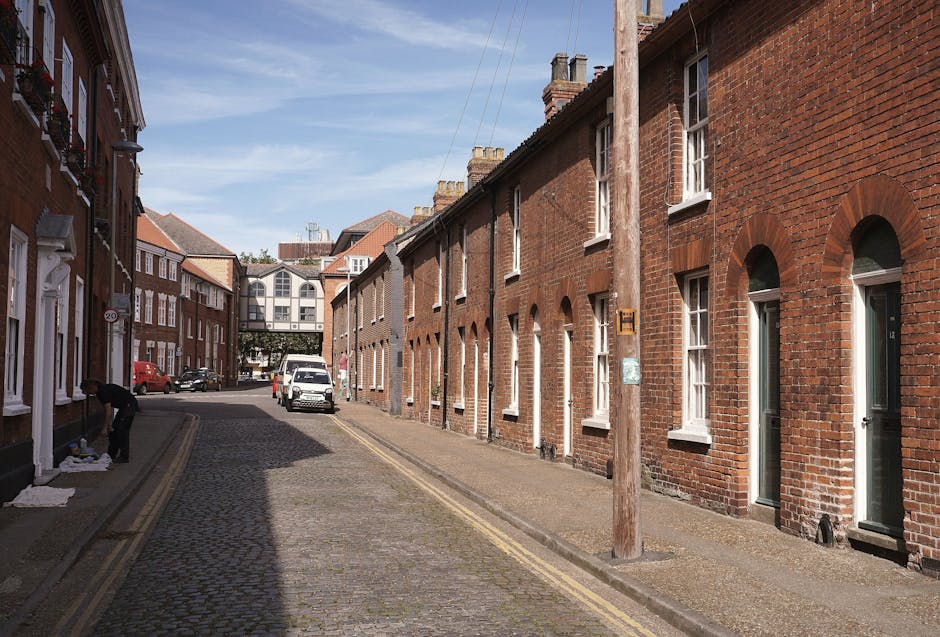
Narrow access changes everything about a move. On a wide road, a removal team can often park close to the door, unload in a single flow, and keep things moving. On a tight Kingston street near the bridge, the team may need to work around limited kerb space, one-way patterns, restricted turning, neighbours' vehicles, or access that only suits a smaller vehicle. That means the plan has to be smarter from the start.
This matters for three simple reasons. First, time: every extra trip from van to house adds minutes, and those minutes stack up fast. Second, safety: dragging heavy items down a narrow pavement or around a blind corner is never ideal. Third, cost control: if the vehicle cannot stop where you expected, you may end up paying for more labour time or needing a second vehicle. Nobody wants that on moving day.
In our experience, people often underestimate how local the problem can be. A street that looks manageable in a quick daytime visit can feel completely different on a Saturday morning with bins out, school run traffic, and cars squeezed in on both sides. That is why planning for narrow access is not an optional extra; it is part of the move itself.
If you are still deciding between providers, comparing removal companies in Kingston upon Thames can help you see which firms are used to these conditions and which ones are better suited to standard access only. And if you are watching your budget, the page on competitive prices is worth a look before you book.
How Kingston Bridge House Removals Guide for Narrow Access Streets Works
A narrow-access move works best when the job is planned around the street rather than just the property. That sounds obvious, but it gets missed more often than you would think. The team needs to understand where the vehicle can park, how far items must be carried, whether there is space to unload safely, and whether a smaller van, a shuttle run, or a split load might be better.
Usually, the process starts with a survey or at least a detailed pre-move discussion. A good mover will ask about street width, parking restrictions, steps, gate widths, floor level, shared entrances, and whether there are any large items that could be awkward in tight corners. If they do not ask, you should volunteer the information anyway. Photos and short videos help a lot here. A quick clip of the road, the front of the property, and any pinch points can say more than a long email ever will.
The next part is vehicle choice. For some jobs, a standard removal van is fine if it can stop nearby for long enough. For others, a smaller vehicle or a man with a van in Kingston setup makes more sense because it is easier to position on a busy or narrow street. In a few cases, a bigger van collects from a wider nearby road, and a smaller vehicle or manual carry handles the last stretch. It is a bit old-school, but it works.
Loading order matters too. Items that are large, heavy, or fragile should be loaded in a way that reduces double handling. If a sofa has to be taken around a tight bend, it should be planned before anyone starts lifting. Same with wardrobes, bed frames, mirrors, and anything with awkward dimensions. If you are moving bulky pieces, the furniture removals service in Kingston may be especially relevant.
Key Benefits and Practical Advantages
The main benefit of planning a move for narrow access is simple: fewer surprises. But there are several practical advantages worth spelling out.
- Less wasted time because the team knows where to park and how to load.
- Lower risk of damage to your items, neighbouring property, and the vehicle itself.
- Better control over labour since a clear route reduces unnecessary carrying.
- Less stress for you because everyone knows the plan before moving day begins.
- More suitable vehicle choice for streets where a large lorry would be awkward.
There is also a quiet advantage that people tend to overlook: better relations with neighbours. When a move is organised, the van is less likely to block the entire street, the team is less likely to stand around scratching their heads, and everyone gets on with their day. That may sound minor, but on a tight road, it really matters.
For some moves, narrow access also means there is more value in choosing a flexible service. A man and van Kingston option can be very practical for smaller homes, mixed loads, or partial removals. If your move is larger, though, you may want a fuller removal service in Kingston with packing support, loading labour, and a more structured schedule.
Who This Is For and When It Makes Sense
This guide is for anyone moving in or around Kingston Bridge where access is not straightforward. That includes terraced houses, older streets, homes near busy junctions, properties with limited frontage, and places where parking is a headache before you even begin. It is also useful if you are moving from an upper-floor flat and the route from door to van is short but awkward. A few steps and a narrow turn can be the difference between easy and exhausting.
You may find this especially helpful if you are:
- moving from a house on a street with limited parking
- planning a same-day move with tight timings
- moving bulky furniture through a narrow hallway or stairwell
- renting a property near the bridge with restricted access outside
- downsizing and need a smaller, more flexible removal setup
- booking a move during a busy day when the street is likely to be congested
If your move is a small one, a man with a van in Kingston can be a sensible fit. If you are moving from a flat, the dedicated flat removals Kingston page gives a good idea of the kind of support that usually helps in tighter properties. And if you are a student moving out of a smaller place nearby, student removals in Kingston is worth a quick read too.
Sometimes the question is not whether a narrow-access move is possible. It is whether it is worth using a team that already understands the area instead of improvising on the day. Usually, yes.
Step-by-Step Guidance
Here is a practical way to organise the move so the street works with you instead of against you.
1. Measure the access properly
Measure gate widths, hallway turns, stair landings, and any awkward corners. Do not guess. A wardrobe that looks fine in the bedroom may be a nightmare at the front door. If you can, note the distance from the parking point to the property entrance as well. Even a short carry becomes tiring when repeated twenty times.
2. Check the street at the right time
Look at the street at the same time of day your move will happen. A quiet Tuesday morning can be very different from a Friday afternoon. Parked cars, delivery vans, school traffic, and local footfall all affect access. Near Kingston Bridge, that practical reality matters a lot.
3. Decide whether a larger van, smaller van, or shuttle run is best
Not every move needs the biggest vehicle. In fact, on a tight road, a more compact van can be the smarter choice. If the access is very limited, a shuttle approach may be better: the main load is transferred from the property to a larger vehicle at a more suitable pickup point. It is not glamorous, but it is efficient.
4. Sort parking and loading arrangements early
If parking is likely to be tight, plan it well in advance. Some streets are fine for a short stop if you know where to position the van, but relying on luck is not a strategy. Make sure your removal team knows where they can wait, where they cannot block, and what the fallback option is if the space is taken.
5. Prepare the load in the order it will be needed
Keep essentials separate. Place items you need first, such as documents, chargers, snacks, cleaning bits, and bedding, in a clearly labelled box. For the main furniture, decide what should come out first and what can wait. That helps avoid the classic situation where someone is hunting for a kettle while the rest of the house is already half on the van. Not ideal.
6. Protect the route inside and outside the property
Use floor protection if surfaces are delicate, especially where heavy items will be dragged or carried through a narrow hallway. If there are sharp corners, protect the walls too. The goal is to make the path as safe as the load itself.
7. Build in time for the unexpected
On narrow streets, small delays happen. A parked car, a slow lift, a tricky wardrobe leg, or a neighbour returning home can all eat into your schedule. Leave a little breathing room. Moving day always feels better when you are not watching the clock every five minutes.
Expert Tips for Better Results
There are a few small things that make a surprisingly big difference.
- Send photos before the quote is finalised. A clear image of the street, entrance, and staircase helps the mover judge the job properly.
- Label fragile or awkward items early. It saves confusion when everyone is tired and rushing a little.
- Disassemble what can be safely broken down. Beds, table legs, and some shelving units are much easier to move in tight spaces when taken apart.
- Keep children and pets out of the loading path. That one sounds obvious, but moving day energy can get a bit messy.
- Book as early as you can. Narrow access jobs need more thought, not less, and good teams tend to fill their diary quickly.
A useful local-minded habit is to speak to neighbours if the street is especially tight. A polite heads-up can reduce friction, especially if there is a chance your van may need a brief stop near shared access. A calm move often begins before the van arrives.
If you need packing support, take a look at packing and boxes in Kingston. The right packing materials can prevent damage, but they also make the job easier to carry through narrow passages because boxes stack more neatly and move more predictably. Small thing, big difference.
Common Mistakes to Avoid
Some errors show up again and again with tight-access moves. They are avoidable, which is the frustrating bit.
- Assuming a large van will just fit. It might, or it might create a blockage and slow everything down.
- Not measuring the route end-to-end. Door widths are only part of the picture. Corners and landings matter too.
- Leaving parking until moving day. On narrow streets, parking is often the whole game.
- Packing heavy boxes with no structure. A box that is too heavy or unstable is hard enough in a wide hallway, let alone a tight one.
- Forgetting about neighbours and shared access. It can create delays and unnecessary tension.
- Not telling the removals team about access problems in advance. This is a big one. The earlier they know, the better they can plan.
A quick reality check: if your schedule is already packed, do not try to "wing it" just because the street looks manageable from the pavement. It rarely ends well. A ten-minute planning conversation can save an hour on the day.
Tools, Resources and Recommendations
You do not need a warehouse of equipment, but a few simple tools make narrow-access removals much easier.
| Tool or Resource | Why It Helps | Best Use Case |
|---|---|---|
| Furniture blankets | Protects items from scuffs and knocks | Large furniture, mirrors, white goods |
| Strong tape and labels | Keeps boxes organised and easy to identify | Room-by-room packing |
| Measuring tape | Helps confirm widths, heights, and turning space | Doors, hallways, stair corners |
| Dolly or trolley | Reduces carrying strain where surfaces allow | Flat routes and short carries |
| Phone photos or video | Gives movers a clearer view of access | Pre-quote planning and route checks |
For many households, the smartest resource is not equipment but clarity. A few good photos, honest measurements, and a simple load list can do more than a lot of guesswork. If you are comparing service levels, the page on pricing and quotes is useful for understanding how estimates are usually put together.
People often ask whether storage is useful in these situations. Sometimes it is. If your new property is not quite ready, or if access means you need to split the move into stages, short-term storage can reduce pressure. In that case, a local storage option may be worth considering, depending on availability in your area.
Law, Compliance, Standards, or Best Practice
For house removals, the most important thing is not a single dramatic rule. It is following sensible UK best practice: safe lifting, careful loading, responsible parking, and clear communication. A reputable removals team should have appropriate insurance, follow internal health and safety procedures, and handle items with reasonable care.
On narrow streets, this matters even more because the risk of minor collisions, blocked access, or damage to property edges is higher. A careful mover should think about:
- vehicle positioning and safe unloading
- manual handling and team lifting where needed
- protecting floors, walls, and door frames
- respecting local parking and access rules
- working within the company's stated insurance and safety procedures
If you want to dig deeper into how a company approaches this side of the work, it is sensible to review their insurance and safety information and health and safety policy. Those pages should give you a better feel for whether they take narrow-access moves seriously or simply hope for the best. And let's face it, hope is not a moving strategy.
It is also worth checking the company's terms and conditions so you understand booking terms, responsibility boundaries, and any assumptions built into the quote. Clear terms do not make a move exciting, but they do make it less stressful. Which is nice.
Options, Methods, or Comparison Table
There is more than one way to handle a narrow-access move. The right choice depends on what you are moving, how tight the street is, and how much labour is involved.
| Method | Best For | Pros | Watch Out For |
|---|---|---|---|
| Full-size removal van | Moves with reasonable street access | Efficient for larger loads, fewer trips | Can be awkward on very narrow roads or tight turns |
| Smaller van or man and van | Compact moves, short carries, tighter streets | More flexible parking and easier manoeuvring | May need more trips for larger households |
| Shuttle run | Properties with limited front access but nearby wider roads | Balances access limits with efficient transport | Needs good coordination and extra handling |
| Split load with storage | Moves affected by dates, access, or timing gaps | Reduces rush and helps with staging | May add cost and planning complexity |
For a lot of Kingston Bridge moves, the best option is not the biggest one. It is the one that fits the street, the load, and the timing without forcing awkward compromises. Small difference, big outcome.
Case Study or Real-World Example
Picture a typical two-bedroom house move near Kingston Bridge. The property is on a narrow residential street with cars parked on both sides, and the front door sits a short way back from the road. There is enough space for loading, but not enough for a large van to linger comfortably.
In a rushed approach, the team might arrive with a vehicle that is too large, discover the kerbside space is taken, and end up loading from further down the road. Every item has to be carried farther than expected. The sofa becomes a two-person carry around a parked car. The wardrobe needs an extra pause at the gate. Suddenly, a simple move feels heavy in every sense.
Now imagine the same move planned properly. The removal team has been sent street photos in advance. They recommend a smaller van and schedule the loading for a quieter time of day. The heaviest items are dismantled where sensible. Boxes are labelled clearly. The parking plan is agreed before arrival. The team walks in with a plan, not a hope.
The difference is not magical. It is just organisation. But that organisation means less backtracking, fewer apologies to neighbours, and a much calmer end to the day. The kettle gets unpacked sooner, which is honestly the real win.
Practical Checklist
Use this checklist before move day. It is short on purpose.
- Measure doors, stairs, landings, and any tight corners.
- Check the street at the likely moving time.
- Take photos or a short video of access points.
- Confirm parking options and loading space.
- Tell the removals team about any awkward items early.
- Decide whether a smaller van or shuttle run is needed.
- Label fragile boxes and essentials clearly.
- Disassemble bulky furniture where possible.
- Protect floors, walls, and door frames.
- Keep pets, children, and clutter away from the route.
- Have the keys, paperwork, and contact numbers ready.
- Build in a bit of extra time for delays.
Expert summary: if you take away one thing from this guide, let it be this: narrow-access moves succeed when the street is treated as part of the job, not just the background. Measure it, plan it, and choose the vehicle and team around it.
Conclusion
A move near Kingston Bridge does not need to be difficult just because the street is narrow. It needs to be thought through. Once you know the access limits, the route, the parking reality, and the size of the load, the rest becomes far more manageable. That is the quiet truth of it.
The best removals in tight streets are usually the ones that look almost boring from the outside. No scrambling. No guesswork. No last-minute drama with a van that is clearly too big. Just steady, practical work, done in the right order. And if that sounds reassuring, good - it should.
If you are still comparing options, start with the right service fit, then check the quote, the safety approach, and the level of flexibility. A little extra planning now can save a lot of effort later.
Get a free quote today and see how much you can save.
And if you are moving soon, take a breath. Tight streets are manageable. Really, they are.

![Professional Movers Services at Unbeatable Prices in [LOGO_TITLE]](../../pub/actonmovers-banner.png)