Kingston movers packing mistakes to avoid on moving day
Posted on 30/07/2026
Moving day has a funny way of exposing every tiny packing shortcut you thought would be "fine." The box with the kettle somehow ends up under a mountain of books. A wardrobe door swings open in the van. Someone can't find the phone charger, the tape, or the keys. And suddenly the day feels twice as long.
If you're planning a move in Kingston, the good news is that most packing chaos is preventable. This guide breaks down the Kingston movers packing mistakes to avoid on moving day, why they matter, and how to pack in a way that keeps the whole job calmer, safer, and far less expensive. We'll cover the common blunders people make, the smarter alternatives, and a realistic checklist you can actually use. No fluff. Just the stuff that saves time when the clock is already ticking.
For readers comparing moving support and planning ahead, it can also help to look at broader removal services in Kingston and the practical advice on packing materials and boxes before the big day.

Why Kingston movers packing mistakes to avoid on moving day Matters
Packing mistakes rarely look dramatic at first. They look like "I'll just put this in any old box" or "I'll carry the fragile stuff myself later." But on moving day, those shortcuts become delays, damaged items, heavier lifting, and a lot more stress than anyone needs before lunch.
In Kingston, that matters even more because moves often involve tight stairwells, narrow streets, controlled parking, flats with awkward access, and time-sensitive loading windows. A poorly packed box can slow down the whole chain: the movers need to stop, re-balance, repack, protect, or label items again. That is the point where a simple move starts feeling messy.
There's also the emotional side. Moving is already one of those days where you're juggling paperwork, keys, bins, final meter readings, and the "where did I put the toilet roll?" problem. Good packing doesn't just protect belongings. It protects your headspace. And honestly, that's worth something.
Expert summary: the best packing strategy is not "pack fast." It is "pack predictably." If every box is labelled, sealed properly, and loaded with a purpose, the move becomes smoother for everyone.
How Kingston movers packing mistakes to avoid on moving day Works
Professional movers can move quickly when packing is sensible. They work best when boxes are consistently sized, clearly labelled, evenly weighted, and easy to stack. That means the packing phase should support the loading phase, not fight it.
Here's the basic flow that works well:
- You sort your items by room and priority.
- You pack heavier items into smaller boxes and lighter items into larger ones.
- You protect fragile items with enough cushioning, but not so much loose filler that the box becomes unstable.
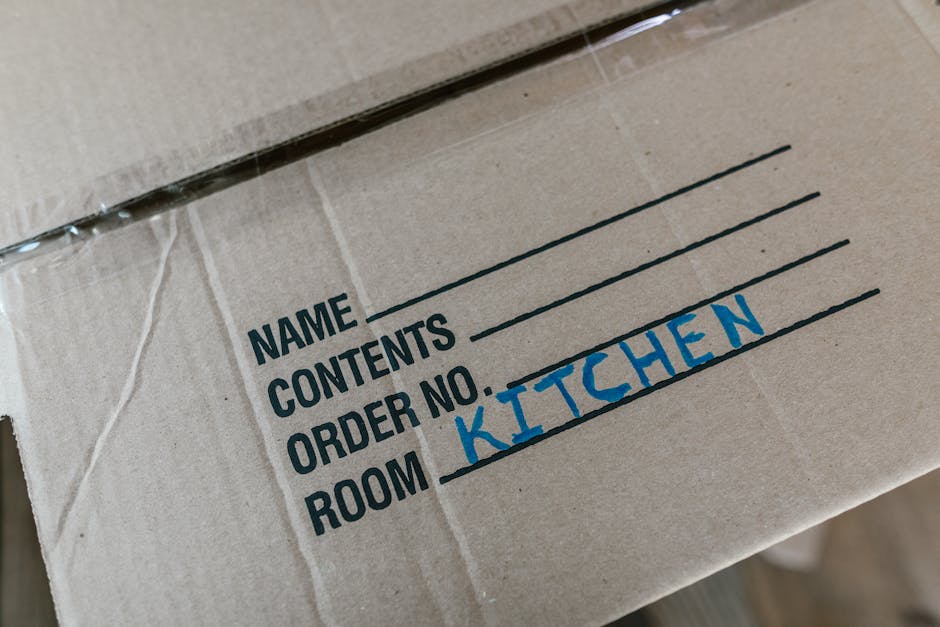
- You label every box by room and contents.
- You keep essentials separate so they are not buried under the first load.
- You leave access clear for the movers and avoid last-minute "oh, that too" additions.
The mistakes happen when people skip one of those steps. For example, mixing books with kitchenware makes a box too heavy and awkward. Overfilling a wardrobe box can split it at the bottom. Using unlabelled bags for loose bits means everyone loses time at the other end. It sounds small. It never feels small on the day.
If you need a moving vehicle that suits a smaller or more flexible load, you may also want to compare man and van Kingston options with other vehicle-based choices such as a removal van in Kingston. The right setup often depends on volume, access, and how much packing help you actually need.
Key Benefits and Practical Advantages
Packing properly is not just about avoiding breakages, although that's a big one. It also improves the pace, safety, and cost-efficiency of the whole move.
- Less damage: fragile items are less likely to be crushed, scratched, or shifted around in transit.
- Faster loading: well-packed boxes stack cleanly, which saves time when movers are working against parking or access limits.
- Safer lifting: sensible box weights reduce the risk of strain, drops, and awkward handling.
- Easier unloading: labelled boxes go into the correct rooms faster, which means less backtracking.
- Better unpacking: you'll know where essentials are, rather than opening six boxes before you find a saucepan.
- Lower stress: and to be fair, this one often matters most on the day itself.
There's another advantage people forget: packing properly makes you look organised to the movers. That matters because it lets them do their job more efficiently. When a crew sees sensible preparation, the whole move tends to feel more coordinated. Not perfect, just calmer. Which is the aim.
Who This Is For and When It Makes Sense
This advice is for anyone moving house, flat, studio, office, or student accommodation in Kingston. It is especially useful if you are doing some or all of the packing yourself, which is common when people are trying to manage costs or work around busy schedules.
It makes particular sense if you are:
- moving from a flat with stairs or limited lift access
- packing around family life, school runs, or shift work
- moving large or delicate items like mirrors, artwork, or instruments
- using a smaller team or a flexible hire setup such as a man with a van in Kingston
- moving student accommodation and trying not to overpack cheap boxes that are already on their last legs
- preparing for a same-day or short-notice move where there is no time to improvise
If you're a student, check the more specific guidance on student removals in Kingston. Students often pack under time pressure, which is exactly when the classic mistakes sneak in. If you're moving a full property, the broader advice around house removals in Kingston upon Thames may be more relevant.
Truth be told, if you are the sort of person who packs "random bits and important bits" in the same box, this section is definitely for you.
Step-by-Step Guidance
Here is a practical way to pack without making life harder for your moving crew or yourself.
1. Start with a room-by-room sort
Do not pack from every room at once. That is how mixed boxes happen. Instead, finish one room, then move on. It sounds obvious, but moving-day chaos often starts with half-packed bags in three different places.
2. Choose box sizes based on weight, not just convenience
Books, records, tools, and kitchen pots belong in smaller boxes. Bedding, cushions, and lightweight seasonal items can go in larger boxes. If a box feels impressive but impossible to lift, it is the wrong box.
3. Wrap fragile items individually
Glasses, ceramics, lamps, picture frames, and small electronics need their own protection. Paper, towels, and soft clothing can help fill gaps, but don't overstuff the box so tightly that pressure builds on the corners.
4. Label more than just the room
Write the destination room and a short note like "plates," "chargers," or "bed linen." That one extra detail makes unpacking easier at 8pm when nobody has any energy left.
5. Keep essentials separate
Make one clearly marked essentials bag or box for medications, documents, chargers, toilet rolls, snacks, pet supplies, and a change of clothes. This should travel with you, not disappear on the van.
6. Check the access route before moving day
In Kingston, access can matter as much as packing. If you're in a terrace, riverside flat, or a street with limited stopping space, review the route and parking arrangements early. The crew may need room to manoeuvre, and a badly placed pile of boxes right by the front door can turn a quick load into a bottleneck. For local access issues, the article on narrow access streets is worth a look.
7. Do a final sweep before the movers arrive
Walk the property once more. Cupboards, loft access, bathroom shelves, under-bed storage, balcony bits, and that odd drawer full of cables all get forgotten. We've all had the "I thought that was empty" moment. Nobody enjoys it.
Expert Tips for Better Results
A few small habits make a surprisingly big difference.
- Pack by priority: label the first-night box so it can be unloaded last or put in an easy-to-reach spot.
- Use consistent tape technique: seal the base of each box properly with a strong H-pattern.
- Reinforce weak boxes: if a box was reused, check the seams and bottom before filling it.
- Protect furniture edges: if you are packing small dismantled parts with furniture, wrap corners so they don't scuff.
- Keep liquids separate: toiletries, cleaning products, and kitchen liquids should be secured upright and isolated from soft goods.
- Photograph cable setups: a quick phone photo saves ages when setting up the TV, computer, or printer later.
One useful local habit: plan for parking and loading at the same time. If you know a vehicle will need a clear loading zone, think about how your packed items are staged. You want a neat, direct carry from room to vehicle, not a maze through half-closed doors and scattered bags.
For pricing clarity and to avoid misunderstandings, it can also help to review pricing and quotes before confirming any moving arrangement. The smoother your packing, the fewer surprises tend to appear.

Common Mistakes to Avoid
This is the section that saves people the most grief. Some mistakes are minor; others are the kind that cause damage or delay. Here's the honest list.
1. Overpacking heavy boxes
A box full of books and crockery is a back injury waiting to happen. Heavy items should be spread out. If you have to grip the box with your fingertips and pray, it's too heavy.
2. Mixing fragile and non-fragile items
Placing mugs on top of loose chargers, ornaments beside cutlery, or glass frames with random kitchen bits is asking for trouble. Keep categories separate.
3. Leaving gaps in boxes
Boxes with empty spaces collapse more easily during transport. Fill voids so contents don't shift. But don't jam everything so tightly that pressure builds around fragile edges. It's a balance, not a contest.
4. Using weak or mismatched boxes
Supermarket leftovers are not always up to the task. If the cardboard is soft, damp, torn, or misshapen, retire it. Reused boxes are fine when they're sound. When they're not, they fail at the worst possible time.
5. Forgetting to label the top and side
One label on one face is not enough when boxes are stacked. Mark at least two sides, and make the text big enough to read quickly.
6. Packing the essentials with everything else
Charging cables, prescriptions, passports, keys, kids' lunch bits, pet food, and tea bags should not vanish into the main load. If you need it within the first 24 hours, keep it separate.
7. Leaving packing until the night before
This is the classic one. Late packing creates bad decisions: too many random items in one box, insufficient tape, no labels, and a lot of frustration. If you're reading this the night before, deep breath. Start with one room. Just one.
8. Ignoring item-specific needs
Pianos, antiques, flat-pack furniture, and large decorative items need more planning than a standard box. For delicate or oversized pieces, specialist support may be sensible. The guide to piano removals in Kingston is a good reminder that not every item should be treated like a kitchen saucepan.
9. Not preparing for local access realities
Moving in Kingston can mean tight staircases, shared entrances, lift delays, and limited outside space. If you ignore those details, even good packing can be slowed down by access problems. There's useful related context in this guide to council parking permits.
10. Assuming the movers can fix everything on the spot
Movers are there to load safely and efficiently, not to become emergency packers for an entire house. A little flexibility helps, of course. But if every box needs repacking, the day gets longer fast.
Tools, Resources and Recommendations
You do not need fancy gear to pack well, but the right basics make a huge difference.
- Sturdy boxes: choose a few small and medium sizes rather than relying on all large boxes.
- Packing tape: proper tape, not the sort that peels off in a warm van.
- Marker pens: thick enough to read at a glance.
- Bubble wrap or paper: for glass, ceramics, and breakables.
- Labels or stickers: to colour-code rooms.
- Scissors or a tape cutter: small thing, big time saver.
- Permanent bags: for screws, fixings, remotes, and cable bundles.
If you are planning a bigger move, it can help to check the wider service range at services overview. That gives a better sense of which support options fit your move size and access type. For those moving furniture-heavy homes, furniture removals in Kingston can be especially relevant.
You may also want to think about recycling. Old cardboard, damaged boxes, and packaging waste should be dealt with responsibly. The page on recycling and sustainability is useful if you're trying to keep the move tidier and less wasteful. Good packing is not just neat; it's practical.
Law, Compliance, Standards, or Best Practice
For a normal household move, most of the important points are best practice rather than complicated legal rules. That said, there are still a few things worth respecting.
Health and safety matters. Boxes should be manageable to lift, and walkways should stay clear. This is especially important in stairwells and communal hallways, where a dropped box or blocked exit becomes a real risk rather than an inconvenience.
Insurance expectations matter too. If you are using a removal company, make sure you understand what is and is not covered. Items packed poorly by the customer may be treated differently from professionally packed goods. That is one reason clear labelling and safe packing make such a practical difference. You can read more about broader coverage in insurance and safety.
Terms and conditions matter. If a move involves delayed access, fragile goods, or last-minute changes, service terms can affect what happens next. It is not thrilling reading, let's face it, but it is worth checking the main moving conditions in advance. For extra reassurance, the pages on terms and conditions and payment and security help set expectations.
Parking and loading practices matter locally. Kingston streets can be busy, and loading plans should be sensible and lawful. If a vehicle cannot park safely, loading becomes slower and potentially riskier. In plain English: plan the access, and then pack for the access you actually have, not the one you wish you had.
Options, Methods, or Comparison Table
Different packing approaches suit different moves. Here's a simple comparison to help you decide what to prioritise.
| Packing method | Best for | Pros | Common risk |
|---|---|---|---|
| Self-packing with standard boxes | Small to medium home moves | Lower cost, flexible timing | Mixed weights, poor labelling, overpacking |
| Partial professional packing | Busy households or fragile items | Expert handling for delicate goods | Some items still rely on your own prep |
| Full packing service | Large homes, time-poor clients, complex moves | Fastest and most coordinated | Higher cost, less DIY control |
| Hybrid approach with essentials packed separately | Most practical everyday moves | Good balance of cost and convenience | Requires a clear plan and discipline |
If you are weighing service types, removals in Kingston is a useful starting point, while man and a van Kingston may suit smaller, simpler loads. The right choice depends less on pride and more on how much help you genuinely need.
And yes, sometimes the "cheapest" option becomes the expensive one if poor packing turns into damaged furniture or an extra collection run. Moving maths is a bit annoying like that.
Case Study or Real-World Example
Here's a very typical Kingston-style moving scenario. A couple moves out of a first-floor flat near a busy high street. They've done a decent job overall, but a few boxes are packed too heavily, the kitchen is mixed with bathroom bits, and the essentials bag is nowhere to be found. The movers arrive, and loading starts well enough. Then one box splits at the base because it was packed with books and cookware together. Not catastrophic, but it adds five to ten minutes of reshuffling, plus a small cloud of irritation nobody asked for.
What changes the outcome? Three things. First, the couple separates heavy items into smaller boxes. Second, they clearly label one box "first night" with chargers, toiletries, kettle items, and bedding. Third, they place the heaviest and most fragile items near the door before the movers arrive so there is no last-minute rummaging through the hallway.
The move still takes a while, because real moves always do. But the atmosphere changes. Less confusion, less dropping, less "have you seen the scissors?" energy. That's the difference good packing makes. Not glamorous. Just effective.
In a local context, that kind of preparation is especially useful for flat moves and busy street access, which is why many customers look at flat removals in Kingston when planning a move like this.
Practical Checklist
Use this checklist the day before your move. If you can tick most of it off, you are in good shape.
- All boxes are closed securely and taped properly
- Heavy items are packed in smaller boxes
- Fragile items are wrapped and cushioned
- Each box is labelled with room and contents
- Essentials are packed separately and easy to reach
- Furniture parts, screws, and cables are bagged and labelled
- No liquids are loose in mixed boxes
- Walkways, stairs, and entrances are clear
- Parking or access arrangements are confirmed
- Important documents and valuables stay with you
- Nothing is left hidden in cupboards, lofts, or under beds
- You have one last check of access, timing, and key handover
Quick reminder: if you are packing late, focus first on essentials, fragile items, and anything you need on arrival. The rest can be sorted room by room. Do not try to be a hero at midnight.
Conclusion
The biggest Kingston movers packing mistakes to avoid on moving day usually come down to three things: packing too much into one box, failing to label clearly, and leaving essentials until the end. Get those right and the rest becomes much easier. You do not need perfect boxes or military-level organisation. You just need a sensible system that keeps items safe and the move flowing.
If you remember one thing, make it this: pack for the next hour, not just the next room. That small shift changes everything. Your movers can work faster, your belongings travel more safely, and you start your new place without opening random boxes just to find the kettle. Which is, frankly, a small victory but still a victory.
Get a free quote today and see how much you can save.
For a smoother start, compare moving support options through competitive prices and choose the level of help that fits your move, your schedule, and your sanity. Sometimes the calmest move is the smartest one.
![Professional Movers Services at Unbeatable Prices in [LOGO_TITLE]](../../pub/actonmovers-banner.png)