What to know about Kingston Council parking permits for removals
Posted on 07/05/2026
If you are moving house in Kingston, parking is one of those details that can quietly make or break the day. The van arrives, boxes are stacked by the door, and then-if there is nowhere legal to stop-the whole move starts to unravel. That is why understanding What to know about Kingston Council parking permits for removals matters so much. It is not just paperwork. It is about keeping your removal on schedule, avoiding avoidable fines, and making life easier for everyone involved.
In practical terms, a parking permit or dispensation can help a removal van stop closer to your property, even where normal restrictions would otherwise apply. But the process is not always straightforward, and the right approach depends on the street, the time of day, the vehicle size, and the exact nature of the move. Let's face it: nobody wants to spend moving day circling the block while the sofa waits outside.
This guide breaks everything down in plain English: how Kingston Council parking permits for removals typically work, when you might need one, what can go wrong, and how to plan ahead with less stress. You will also find a checklist, a comparison table, and practical tips that fit real-life removals in and around Kingston upon Thames.
Why Kingston Council parking permits for removals matter
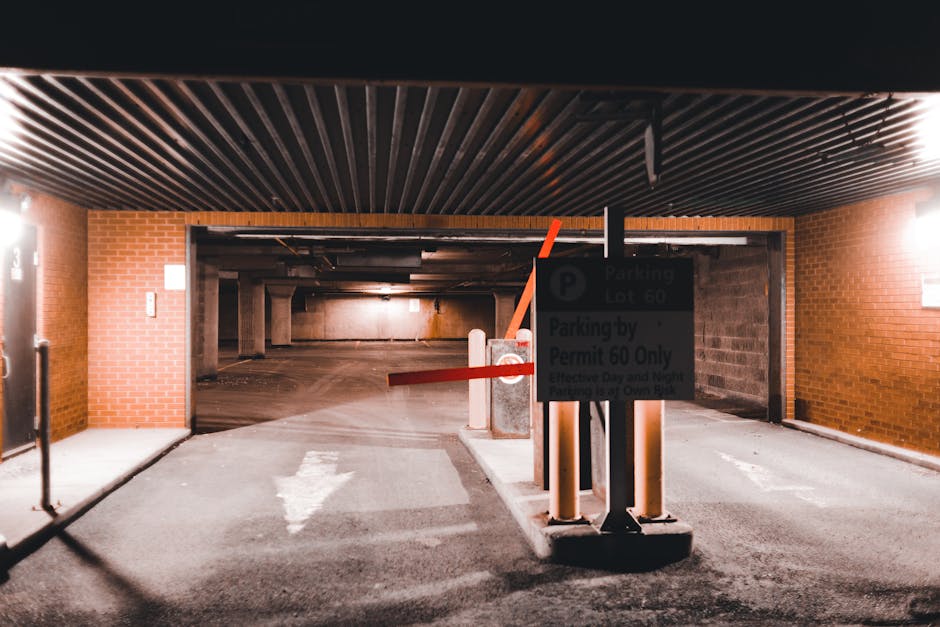
Parking is not a side issue on moving day. It is the difference between a smooth, organised move and one that becomes awkward, slow, and expensive. In Kingston, many streets have controlled parking, loading restrictions, yellow lines, or limited space for a large removal vehicle. If the van cannot stop where it needs to, the crew may have to carry items farther, work around traffic, or wait for a legal space to open up.
That matters for three big reasons.
First, timing. A removal is all about momentum. If heavy furniture has to be wheeled from a distant bay or carried from across the road, the job takes longer. That can affect costs and increase pressure on the day.
Second, safety. A poorly parked van or rushed loading near traffic is not ideal for anyone. It is especially stressful when you are already juggling keys, children, pets, and a growing pile of boxes in the hallway.
Third, compliance. Parking without the right permission can lead to penalties or enforcement action. Even if a driver only stops briefly, that does not always make it acceptable. Local restrictions are local restrictions.
For people booking a full move, a small flat move, or a one-off item collection, checking parking rules early can save a surprising amount of hassle. If you are still comparing move types, it can help to look at broader support such as removals in Kingston or more compact options like man with a van services in Kingston so you can match the parking plan to the size of the job.
Expert summary: Treat parking like part of the removal plan, not an afterthought. The best moving days usually look calm because the parking details were handled quietly, well before the van turned up.
How Kingston Council parking permits for removals works
The exact process can vary depending on the street, the parking restrictions in place, and whether the council allows a specific permit, dispensation, or temporary suspension. In UK moving practice, the most common idea is simple: if a van needs to stop where parking or loading is normally restricted, some form of permission may be needed.
In Kingston, that permission may be tied to:
- the location of the property
- the length of time the vehicle needs to wait or load
- the size and type of vehicle
- whether the street already has bays, yellow lines, resident-only parking, or loading restrictions
- how close the move is to busy times, school runs, market activity, or event traffic
In some cases, a removal vehicle may be able to use a loading bay or stop for a short period without a formal permit. In others, the move may need a pre-arranged council permission or a parking bay suspension. The important part is to check early, because assumptions are where people get caught out. You might think, "It's only ten minutes." The council, and the traffic warden, may see it differently.
It is also worth remembering that moving companies often work with these restrictions every week. If you are using a local team, they will usually know the local pinch points around narrow roads, permit zones, and awkward corners. For example, a reliable house removals team in Kingston upon Thames will often factor access into the quote rather than treating it as a surprise on moving day.
Broadly speaking, the process tends to follow this pattern:
- Check the parking restrictions outside both properties, not just one.
- Confirm whether a removal vehicle can legally stop close enough to load safely.
- If needed, arrange the council permit, dispensation, or suspension in advance.
- Share the final parking plan with your removal company.
- Keep proof of permission available on the day, if the council requires it.
That sounds simple. In real life, of course, streets are rarely simple. A side road can be easier than the main road. A bay can look available but still be reserved. And one resident's "it should be fine" can become another person's parking ticket. Check the specifics, not the vibe.
Key benefits and practical advantages
Sorting out parking permissions before the move gives you more than legal peace of mind. It can actually improve the whole logistics of the day.
- Faster loading and unloading: when the van can park close, the crew can work efficiently.
- Lower risk of damage: fewer long carries reduce the chance of knocks, scuffs, and tired mistakes.
- Less stress: everyone knows where the vehicle is stopping and for how long.
- Better planning: the removal company can bring the right vehicle, crew size, and equipment.
- Reduced chance of fines: that one is obvious, but still worth saying.
There is also a financial angle. A move that is delayed by parking trouble may take longer than planned, and that can affect labour time. Even where a company prices fairly, wasted time is wasted time. If you are comparing quotes, it helps to look at transparent pricing information such as competitive prices for Kingston moves and broader pricing and quotes guidance so you can understand what is included.
For people moving into flats, parking is often even more important. Shared entrances, limited road width, and stairs can all slow things down. A well-planned bay or stopping point can make a very ordinary flat move feel far less chaotic. If that is your situation, you may also find the guidance on flat removals in Kingston useful.
Who this is for and when it makes sense
Not every move needs the same level of parking planning, but a lot more people need it than expect to.
You are especially likely to need to think about Kingston Council parking permits for removals if:
- your road has resident permit zones or controlled parking hours
- there are single yellow or double yellow lines near the property
- you live in a busy town-centre street or near a school, station, or retail area
- your removal van is larger than a normal car-sized vehicle
- you are moving furniture from a top-floor flat or a building with awkward access
- the move needs to happen at a fixed time, such as after key collection or lease handover
It also makes sense if you are booking a same-day move, a student move, or a smaller man-and-van job that still depends on a parking spot right outside the door. A compact move can be just as affected by parking as a full household relocation. Small job, same old parking headache.
If you are a student moving between halls, a studio, or shared accommodation, parking can be the hidden snag that turns a quick move into a slow one. In those cases, student removals in Kingston can be a practical option because the service can be matched to the access, not just the volume of items.
And if your move also involves storing items before or after moving day, it can help to consider the parking setup alongside access to the storage unit. A little planning now saves a lot of back-and-forth later. For example, storage options in the area may be worth checking if your dates do not line up neatly.
Step-by-step guidance
If you want the short version: check, confirm, arrange, and communicate. But here is the fuller version, because moving day rarely rewards guesswork.
1. Check the street outside both addresses
Look for signs showing permit zones, loading restrictions, bay times, and yellow lines. Check whether the street changes restrictions at different times of day. Early morning can be calmer, but not always more flexible. A street that looks empty at 7 a.m. may still be heavily controlled.
2. Measure the practical access, not just the map distance
How far is the van likely to be from the front door? Can it get close enough to avoid carrying heavy items too far? Are there tight turns, trees, low branches, or parked cars that might limit access? These small details make a big difference.
3. Decide whether a permit, dispensation, or bay suspension is needed
Different streets call for different solutions. Sometimes a short loading stop is enough. Sometimes a more formal arrangement is needed. If you are unsure, ask the council or a local removal company that handles Kingston moves regularly.
4. Build the parking plan into your booking
Tell your movers about the road layout, any restrictions, and the parking arrangements you have made. If you have a driveway, say so. If the van will need to stop around the corner, say that too. No detail is too small here, honestly.
5. Keep evidence ready
If the council provides confirmation or reference details, keep them accessible. On the day, have the information where you can find it quickly. Mobile signal is not always cooperative when you need it most.
6. Recheck nearer the move
Parking arrangements can change. Roadworks, temporary restrictions, and local events happen. A final check 24 to 48 hours before the move is a sensible habit.
To keep the whole day moving smoothly, many people also prepare their belongings properly. If that sounds obvious, well, it is. But it is amazing how often people forget the packing side while worrying about parking. A good guide to packing and boxes in Kingston can help keep everything aligned.
Expert tips for better results
Here is where a little local know-how goes a long way.
- Plan for the biggest vehicle, not the smallest. If the actual removal van is longer or taller than expected, a "near enough" parking space may not work.
- Leave buffer time. Parking takes longer in busy areas. It just does. Build that into the schedule.
- Avoid assuming residents' bays are available. They often are not. Some bays are only free at certain times, and some are suspended or shared.
- Tell neighbours early if the move will affect them. A little courtesy helps. Sometimes a neighbour will even move a car for an hour if they know what is happening.
- Use a removal company that understands local access issues. This sounds obvious, but local experience matters a lot more than people think.
One practical trick is to stand outside the property with your phone and look at the street as if you were the van driver. Where would the vehicle sit? Where would the boxes go? Where would a sofa turn? That one small exercise can reveal obvious problems before they become moving-day drama.
If you want broader support from a team that deals with access, loading, and planning as part of the service, explore the full range of removal services in Kingston or read more about the company's wider services overview.
Common mistakes to avoid
Most parking problems on moving day are preventable. That is the frustrating part.
Leaving the permit too late
People often sort the boxes before they sort the road outside. But council permissions can take time, and even where a process feels straightforward, waiting until the last minute is risky.
Checking only one address
You may have a perfect setup at the new place and a nightmare at the old one, or vice versa. Check both. Moving is a two-site operation, not one.
Forgetting the length of the loading window
A permit or stop arrangement may be fine for short loading, but not for a long delay while you look for the keys, find the kettle, or wait for someone to arrive. Moving-day timing has a habit of slipping.
Ignoring the size of the vehicle
A small van and a large removal truck are not the same thing. The larger the vehicle, the more space it needs to park safely and legally.
Assuming the crew can "just sort it"
Experienced movers can help, yes, but they cannot override council parking rules. And no one wants a driver to improvise under pressure. Not a great plan.
Failing to communicate with the removal team
If access is awkward, say so. If parking is tight, say so. If a permit has been approved, say so. Clear information helps the team prepare the right equipment and timings.
For people comparing different providers, it can also help to review a company's trust pages and service terms before booking. Useful starting points include about us, terms and conditions, and insurance and safety information.
Tools, resources and recommendations
You do not need a huge toolkit to handle parking planning well, but a few simple tools make life easier.
- Street-view planning: check the layout, bay markings, and turning space in advance.
- Photos of the street: quick phone pictures help explain the access to your movers.
- A written move timeline: note when the van arrives, when keys are ready, and when access is expected.
- Council contact details or permit confirmation: keep them handy in case of queries.
- Box labels and room labels: not parking-related directly, but they reduce loading time and keep the schedule on track.
It is also worth choosing the right size of vehicle and service. If the move is very small, a compact service may be enough. If you are moving a full home, a larger van and a more structured plan may be better. A good local company should explain the difference clearly. You can also compare a man and a van option in Kingston with a full removal van service to see what suits your street and your load.
For people who are researching the area as part of a move, local guides can also help you understand the rhythm of Kingston streets and neighbourhoods. Pages such as life in Kingston or the Kingston real estate tips article can be useful context when you are deciding where and when to move.
Law, compliance, standards and best practice
Parking restrictions are not just suggestions. In the UK, they are part of local traffic management, and councils use enforcement to keep roads safe and traffic moving. Without getting lost in legal language, the practical point is simple: if a bay, yellow line, loading restriction, or permit zone applies, it applies. Even a quick stop can still matter.
Because council processes vary, it is best not to assume that one rule from another borough will apply in Kingston. Always check the specific street and the exact date and time of the move. Where permissions are required, treat the council's guidance as the authoritative source.
Best practice in removals usually includes:
- checking access well in advance
- making any parking request early
- keeping communication clear between client, council, and removal team
- respecting local residents and road users
- avoiding blocked entrances, crossings, and unsafe loading
There is also a wider safety angle. A properly parked removal vehicle reduces risks for the crew and for pedestrians. That matters on narrow Kingston streets where foot traffic can be steady, especially near shops, schools, or the riverside. A tidy setup is not just nicer. It is safer.
On the commercial side, a good removals provider should also have sensible policies in place around safety, data, payments, and complaints handling. If you are doing your due diligence, it is reasonable to review pages like health and safety policy, payment and security, and complaints procedure.
Options and comparison table
Not every move needs the same parking solution. Here is a simple comparison to help you think it through.
| Option | Best for | Typical advantage | Possible downside |
|---|---|---|---|
| Short loading stop | Very small moves or quick collections | Simple and flexible | May not suit controlled streets or longer jobs |
| Council permit or dispensation | Moves in restricted or permit-controlled areas | Reduces enforcement risk | May need advance planning and approval |
| Bay suspension | Properties where a parking bay must be reserved | Creates space close to the property | Can be more formal and time-sensitive |
| Alternative parking nearby | Streets with flexible access or off-road loading nearby | Can work well when arranged carefully | May require longer carrying distances |
| Smaller vehicle or man-and-van setup | Compact flats, student moves, lighter loads | More manoeuvrable on tight streets | May require more trips for larger loads |
This is where matching the service to the street really pays off. If your road is tight, a smaller vehicle can sometimes be the smarter choice. If you have a larger property and more furniture, a full-service team may be better even if the parking arrangement takes a little more effort.
Case study or real-world example
Picture a fairly ordinary Kingston move: a two-bedroom flat, a Saturday handover, and a narrow street with resident parking on both sides. Nothing dramatic. Just one of those moves that looks easy until you stand outside with a wardrobe and realise the van cannot sit directly in front of the building.
The first plan was to arrive, park, and load. But after checking the street properly, it was clear that a normal stop would block traffic and almost certainly cause trouble. The team and the homeowner adjusted the plan in advance. They confirmed a legal loading position a short walk away, organised a tighter timetable, and packed the heaviest items last so they could come off first at the new address.
What changed? Not much, and that is the point. No magic. No drama. Just better planning.
The move finished on time, the street stayed clear, and the family did not have to play parking roulette on an already busy day. To be fair, that is what good removals planning often looks like: quiet, boring, and exactly what you want.
If the same move had involved a larger house or a heavier furniture load, the team might have recommended a more formal parking arrangement or a different vehicle size. For bulky items, specialist support such as furniture removals in Kingston can make the logistics easier to manage.
Practical checklist
Use this before moving day to keep parking under control.
- Check parking restrictions at both addresses
- Confirm whether your vehicle can stop legally near the property
- Ask whether a permit, dispensation, or bay suspension is needed
- Book any council permission early
- Share parking details with your removal company
- Take photos of the street and access points
- Plan for loading time, not just arrival time
- Keep any approval or reference information to hand
- Recheck for roadworks or temporary restrictions before the move
- Tell neighbours if the van may affect shared access
- Make sure the removal team knows about stairs, lifts, or tight turns
- Have a backup plan if the intended parking spot is unavailable
A small note here: if your move involves unusual items such as a piano, oversized wardrobes, or delicate furniture, parking should be planned alongside handling, not separately. The bigger and more awkward the load, the more important the stopping point becomes. A specialised service such as piano removals in Kingston may be worth considering when the item needs more care and better access.
Conclusion
Parking permissions might seem like a tiny detail in the middle of a much bigger move, but in practice they are one of the most important parts of the whole day. If you understand what Kingston Council expects, check the street properly, and build parking into your removal plan early, you give yourself a much better chance of a calm, efficient move.
The main thing to remember is this: do not leave access to chance. Whether you need a formal permit, a loading arrangement, or just a smarter vehicle choice, the goal is the same-keep the van close enough, keep the move legal, and keep the pressure down. That is good moving, plain and simple.
If you are comparing providers or want help planning the practical side of your move, speak with a local team that knows Kingston streets well and can advise on vehicle access, timings, and the right service level for your property. A little guidance now can save a lot of stress later, and honestly, that is worth its weight in moving boxes.
Get a free quote today and see how much you can save.
![Professional Movers Services at Unbeatable Prices in [LOGO_TITLE]](../../pub/actonmovers-banner.png)